Activities & Classes
To participate in our activities, please contact us via WhatsApp or email.
Yoruba Dance Classes with Francisco Guerra
Days: Sundays
Time: 12:15 – 13:45
Location: Hallwylstrasse 26, UG, 8004, Stauffacher, Zurich
Specialities: Afro-Cuban dances: Eleggua, Oggun, Shangó, Yemayá, Oshún, Oyá, Obatalá, Babalú Ayé, Palo, Congo.
Note: Last Sunday of the month: Open workshop (prior booking required).
Date: 9 August 2026
Location: Tanzwolke Zurich, Hallwylstrasse 26, 8004 UG, Zurich (near Stauffacher)
Mini Workshop – Discover the World of the Yoruba Tradition
Step into one of the most fascinating cultural traditions of the Afro-descendant world: Afro-Cuban dance.
During this Mini Workshop you will explore the meaning, history and symbolism of Elegbá, Oshún, Yemayá, Obatalá, Ogún, Shangó and Oyá, along with a brief introduction to the fascinating Arará tradition.
No previous knowledge is required. Whether you are simply curious, interested in expanding your cultural understanding, or beginning your own learning journey, this workshop offers a welcoming and respectful introduction to these traditions.
Learn, ask questions, exchange ideas and discover a cultural heritage that continues to inspire millions of people around the world.
We look forward to welcoming you.
📱 Reserve spot for Mini WorkshopDates: 16 August to 20 September 2026
Location: Tanzwolke Zurich, Hallwylstrasse 26, 8004 UG, Zurich (near Stauffacher)
Who is Oshosi?
In the Yoruba tradition, Oshosi is revered as the Orisha of the wilderness, a skilled hunter and fisherman. It is said that he resides in the vast forests, where he can be found moving silently through dense trees while hunting his prey. Legends speak of Oshosi's exceptional aim and his ability to never miss with his bow and arrow.
Oshosi is also associated with the Yoruba myth of the "seventh son". In this story, Oshosi is the seventh son of Yemayá, the mother of all Orishas. It is said that his father was Olodumare, the creator deity, and that Oshosi was born with powerful visions and shamanic abilities. In some traditions, Oshosi is also believed to be the son of Oggun, the Orisha of iron and war.
Oshosi is often depicted as a warrior and protector, alongside other Orishas such as Oggun and Elegua. He is revered as the guardian of all wild animals and has a particular fondness for birds of prey, such as hawks and falcons. Oshosi is also the patron of those who work with dogs and is said to believe in the principle of blind justice. He is known for bravely defending the innocent and opposing inequality.
The Image of Oshosi
Oshosi is frequently portrayed carrying his bow and arrow, which are symbols of his status as a skilled hunter. He is also often shown wearing an intricate headdress, usually adorned with horns and a feather. The colours associated with Oshosi are blue, yellow, and red, and he is often depicted very close to the Orisha Oggun, with whom he is said to work together in the search for food in the wilderness.
Oshosi is sometimes also represented with other animals, such as dogs or birds of prey, which are associated with his role as patron of hunters and protector of wild animals. Overall, the image of Oshosi in Santería is one of strength, skill, and a close connection to the natural world.
Oshosi's Relationship with Other Orishas
Oshosi is closely related to several other Orishas. One such Orisha is Elegua, the trickster and messenger of the gods. Elegua is often depicted as a child or a mischievous old man and is revered as the opener of paths and guardian of crossroads. In Santería mythology, it is said that Elegua is responsible for opening the mind and removing any distractions, and it is believed that Oshosi works with him to enhance spiritual abilities. Together, Elegua and Oshosi are said to help people receive messages from the spiritual realm through the focus of Oshosi's arrow.
Another Orisha closely related to Oshosi is Oggun, the Orisha of iron and war. In some traditions, Oshosi is said to be the son of Oggun, and the two Orishas are often depicted together foraging in the wilderness. Oggun is also revered as a powerful protector and is said to be able to clear the path for his devotees, making him a natural ally of Oshosi in his role as guardian of nature.
Oshún, the Orisha of love, beauty, and fertility, is also closely related to Oshosi in the Santería pantheon. In some traditions, Oshosi is said to be the son of Oshún and Olodumare, the creator deity. Oshún is revered as the patron of rivers and is associated with the colour yellow, which is also one of the colours associated with Oshosi. In this way, the two Orishas are connected through their shared associations with the natural world and the element of water.
Oshosi, Justice and Equity
Oshosi is revered as the Orisha of justice and equity. He is said to believe in the principle of blind justice and is known for bravely defending the innocent and opposing inequality. As such, Oshosi is often invoked by people seeking justice or experiencing problems with the legal system.
In this role, Oshosi is seen as the patron of police officers, lawyers, and the judicial system, and is said to watch over anyone experiencing legal troubles. Devotees of Oshosi may pray to him for guidance and protection when facing legal challenges or when seeking to correct a wrong.
In addition to his role in the legal system, Oshosi is also considered to promote justice and equity in society at large. He is revered as the protector of the natural world and all living beings, and is believed to work to maintain balance and harmony in the world. In this way, Oshosi is seen as a force for good, working to ensure that everyone is treated fairly and with respect.
The Álamo Plant and the Cult of Oshosi
The Álamo plant, also known as Randia formosa or "thorny poison wood", is considered a sacred plant in the cult of Oshosi. It is believed to have powerful spiritual properties and is often used in rituals and ceremonies involving Oshosi.
A common use of the Álamo plant in the Oshosi cult is in the preparation of spiritual baths. To prepare a spiritual bath with the Álamo plant, the herb is normally soaked in boiling water for ten minutes, then allowed to cool and strained. The liquid is then poured over the body while focusing intentions on the justice or protection sought from Oshosi. This ritual is believed to bring the blessings of Oshosi and help people connect with the spiritual energy of the Orisha.
In addition to its use in spiritual bath rituals, the Álamo plant is also sometimes included in offerings to Oshosi and may be placed on the Orisha's altar as a way of paying respect and seeking his guidance and protection. The Álamo plant is believed to be particularly powerful in the context of legal matters and is often used by people seeking justice or facing problems with the law.
Offerings to Oshosi
The feast of Oshosi, also known as Oshosi Day, is a time of celebration and honour for devotees of the Orishas in the Santería tradition. It usually takes place on 7 June and is a time for devotees to pay homage to Oshosi and seek his blessings and protection.
On Oshosi Day, it is common for devotees to prepare offerings for the Orisha, such as food and other items considered sacred to him. Oshosi is said to particularly enjoy all game animals and birds, and his feast is often celebrated with the presentation of such foods as offerings. Oshosi is also believed to prefer fruits such as bananas, pomegranates, plantains, grapes, and pears, which may be included in offerings.
In addition to making offerings, devotees of Oshosi may also participate in rituals and ceremonies to honour the Orisha and seek his guidance and protection. These may include prayer, chanting, and the burning of candles and incense. Some devotees may also wear special clothing or jewellery associated with Oshosi, such as an Oshosi necklace or bracelet, as a way of showing their devotion and seeking his protection.
Praying to Orisha Oshosi
Oshosi is revered as a powerful and protective Orisha who can provide guidance and support to his devotees in their daily lives. One way devotees of Oshosi can seek his protection and guidance is through prayer.
This hunter is also believed to have powerful visions and shamanic powers. He works with Elegua and Oggun to enhance spiritual abilities. Elegua opens the mind, Oggun clears it of any distractions, and Oshosi works with the focus of his arrow to help you receive the messages that come to you. Say this simple prayer to invoke the blessings of Oshosi:
Oshosi's altar should include a crossbow inside Oggun's cauldron. Burn a 7-day Oshosi Orisha candle while praying to a statue of this fearless protector.
Oshosi's guidance and protection can also be sought through the use of divination techniques, such as cowrie shell reading or other forms of divination. By seeking Oshosi's guidance through these means, individuals can gain insight and clarity when making decisions or facing challenges in their daily lives.
Oshosi: Guardian of the Wild and Protector of Justice
In the Santería tradition, Oshosi is revered as a powerful and multifaceted Orisha, with a wide range of associations and symbolism. As the Orisha of the wilderness and a skilled hunter and fisherman, Oshosi is revered as a protector of the natural world and all living beings. He is also revered as a patron of justice and equity and is often invoked by those seeking guidance and protection in legal matters.
Through his powerful visions and shamanic abilities, Oshosi is also seen as a force for spiritual growth and understanding and is often invoked in rituals and ceremonies related to divination and the cultivation of spiritual skills. Overall, Oshosi is a complex and important figure in the Orisha pantheon in Santería and is revered by his devotees for his strength, skill, and commitment to justice and equity.
What will you learn in this course?
- Basic and advanced dance steps for Oshosi
- Associated drum rhythms (Oshosi toques)
- Traditional chants in Yoruba language
- Symbolic meaning of the movements
- Connection between dance, history, and Afro-Cuban culture
- Physical strengthening exercises, inspired by the energy of the Orisha
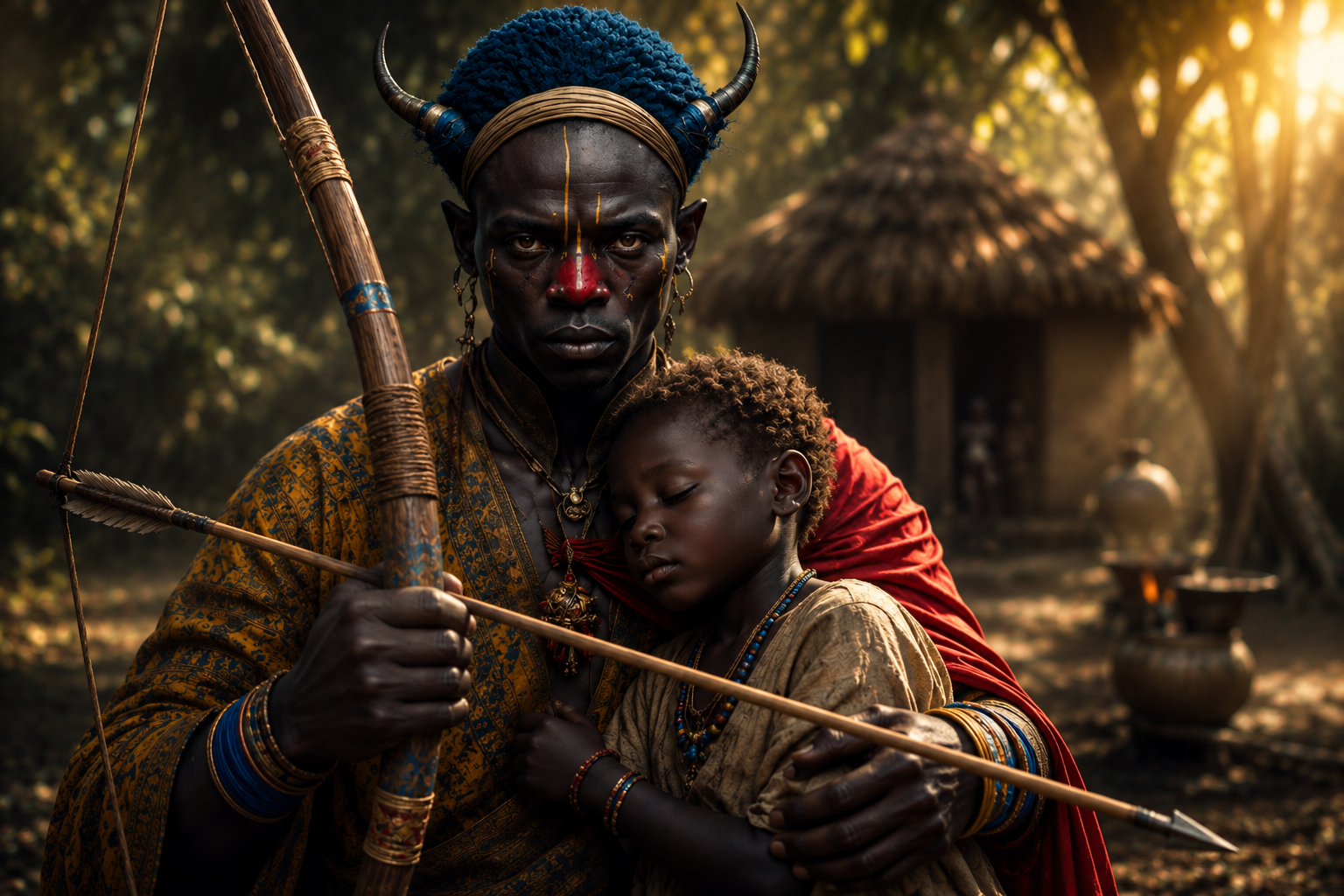
Photos: Training sessions at AfroKuba Tanz Verein Sabor a Eshu Bi Zurich
Level: Open to all levels. No prior experience required.
Attire: Comfortable clothing and shoes with flexible soles.
Registration: info@afrokuba-tanz-verein-saboraeshubi.ch
Come and connect with the justice of Oshosi through movement!
Limited places • Reserve your place
Dates: 31 May to 26 July 2026
Location: Tanzwolke Zurich, Hallwylstrasse 26, 8004 UG, Zurich (near Stauffacher)
Who is Oshún?
Oshún is one of the most beloved and representative Orishas of the Yoruba tradition. Her legacy originated in West Africa and travelled to the Caribbean and Cuba, where it was preserved and enriched across generations within Afro-Cuban culture.
She is associated with fresh water, especially rivers, and symbolises love, beauty, fertility, sweetness, creativity, prosperity and joy of life. Her character shows that delicacy and sensitivity can also express profound strength.
What does Oshún represent?
- Love, affection and empathy
- Beauty, elegance and sensuality expressed with respect
- Fertility, motherhood and the continuity of life
- Prosperity, abundance and creativity
- Joy, self-esteem and emotional expression
- The strength and fluidity of fresh water
Colours, symbols and attributes
The colours most closely associated with Oshún are yellow, gold, amber and honey tones. They evoke light, gold, warmth and prosperity.
- Natural element: rivers and fresh water
- Colours: yellow, gold, amber and honey
- Symbols: mirror, fan, jewellery, crowns and yellow fabrics
- Related elements: honey, yellow flowers and perfumes
- Symbolic animals: peacock and bees, depending on the tradition represented
The dance of Oshún
Oshún's dance is one of the most elegant and fluid expressions in the Afro-Cuban repertoire. Its movements evoke the flow of a river, contemplation in the mirror, the use of the fan, self-care, playful stage presence and joy.
Interpretation goes beyond simply performing steps: dancers learn to tell a story through posture, hands, gaze, musicality and body expression.
Characteristic movements
- Circular and fluid arm movements
- Soft travelling movements inspired by water
- Delicate turns and changes of direction
- Symbolic gestures with the mirror and fan
- Hip work coordinated with the torso
- Elegant, joyful and conscious facial expression
Music and rhythm
Oshún's dance may be accompanied by traditional songs, Afro-Cuban percussion and Batá drums. In class, we work on the relationship between rhythm, song, breathing and the intention behind each movement.
What will you learn in this course?
- Basic steps and progressive sequences from Oshún's dance
- Coordination of arms, torso, hips and travelling movements
- Stage use of the fan and mirror
- Musicality and recognition of associated rhythms
- Cultural and symbolic meaning of the movements
- Body expression, elegance, presence and fluidity
- Exercises to improve coordination, flexibility, endurance and confidence
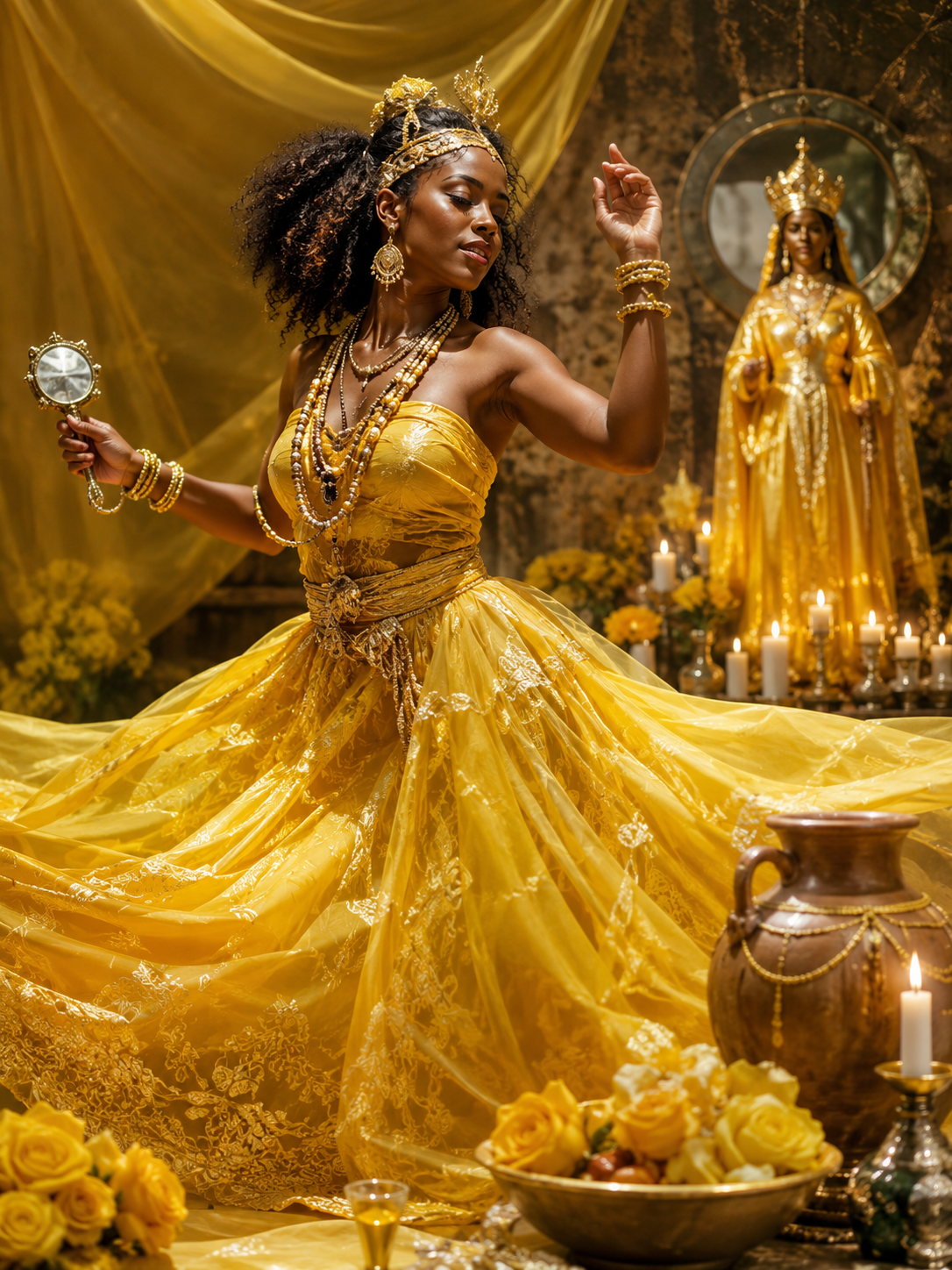
Representative image of Oshún for the AfroKuba Tanz Verein Sabor a Eshu Bi Zurich course.
Level: Open to all levels. No prior experience required.
Approach: Cultural, artistic, body-based and respectful of the Afro-Cuban tradition.
Attire: Comfortable clothing. A wide skirt or scarf is recommended to work on expression and fluidity.
Registration: info@afrokuba-tanz-verein-saboraeshubi.ch
Discover the elegance, joy and strength of Oshún through movement!
All levels welcome • Advance registration required
Dates: 5 April to 24 May 2026
Location: Tanzwolke Zurich, Hallwylstrasse 26, 8004 UG, Zurich (near Stauffacher)
Who is Oggun?
Oggun is the warrior Orisha, master of iron, technology, and labour. He represents strength, courage, and the ability to open paths. He protects those who work with metal tools, drivers, surgeons, and all who transform matter with their hands.
Oggun is attributed power over metals and is the lord of paths as well as mountains. Moreover, he is a direct messenger of Obatalá, which makes him one of the most influential deities within the Yoruba religion.
He is the Orisha who represents blacksmiths, patron of wars, technology, the army, and all who work with or are somehow connected to metals. Oggun, the warrior Orisha, is characterised by a strong and fierce character towards his enemies.
Attributes and symbolism
- Metals: Oggun has dominion over all metals, from iron to gold. He is associated with tools and weapons forged in metal, which symbolise his strength and power.
- War: He is a born warrior, protector of the weak and defender of order. He is depicted with a machete, his emblematic weapon, with which he fights his enemies and opens new paths.
- Technology: Oggun is the forerunner of technology, associated with metalworking and the invention of tools. He symbolises progress and the human capacity to transform the world.
- Paths: He is the lord of paths, both physical and spiritual. He is invoked to open new paths, overcome obstacles, and achieve success in life.
Mythology and family
He is the son of Obatalá and Yemú (which is why he is the direct messenger of the former), and his siblings are Eleggua, Shangó, Oshosi, Osun, Inle, Inle-Ogún, and Olokun.
When his brother Eleggua opens paths, Oggun is responsible for protecting and securing those paths and opportunities that present themselves to believers of the Yoruba religion.
Oggun is the lord of the machete (Embelebobo) and comes just behind Eleggua, who, as already mentioned, is his brother and the one who opens the paths. Although he is considered second in Cuban Santería (Regla de Ocha), the order of importance of the Orishas varies according to the different branches of Santería and the specific traditions of each community.
Attire and symbols
Oggun's attire consists of a purple waistcoat and trousers, and he wears a flat cap. Moreover, he wears a belt adorned with long palm fibres and, on his shoulder, a tiger-skin bag that is also adorned with cowrie shells.
Oggun's favourite number is 3 and its multiples; his preferred day is Tuesday, as well as the 4th of each month. He is greeted with "Oke Oggun!" and "Oggun Kobú Aguanilé!"
Character and energy
Oggun represents not only strength and war, but also justice, righteousness, and the protection of the most vulnerable. He takes justice into his own hands, thanks to his strong character and that attitude of great violence towards his enemies. He is an impulsive deity who, when angered, is extremely severe.
Qualities of Oggun in dance
- Firmness: Marked and energetic steps that reflect his warrior character.
- Precision: Defined movements like the edge of his machete.
- Endurance: Sequences that develop physical and mental strength.
- Protection: Symbolic gestures that invoke his protective energy.
- Transformation: Dance as a tool to overcome obstacles.
Featured Patakí: Oggun Opens the Path
What will you learn in this course?
- Basic and advanced dance steps for Oggun
- Associated drum rhythms (Oggun toques)
- Traditional chants in Yoruba language
- Symbolic meaning of the movements
- Connection between dance, history, and Afro-Cuban culture
- Physical strengthening exercises, inspired by the energy of the Orisha
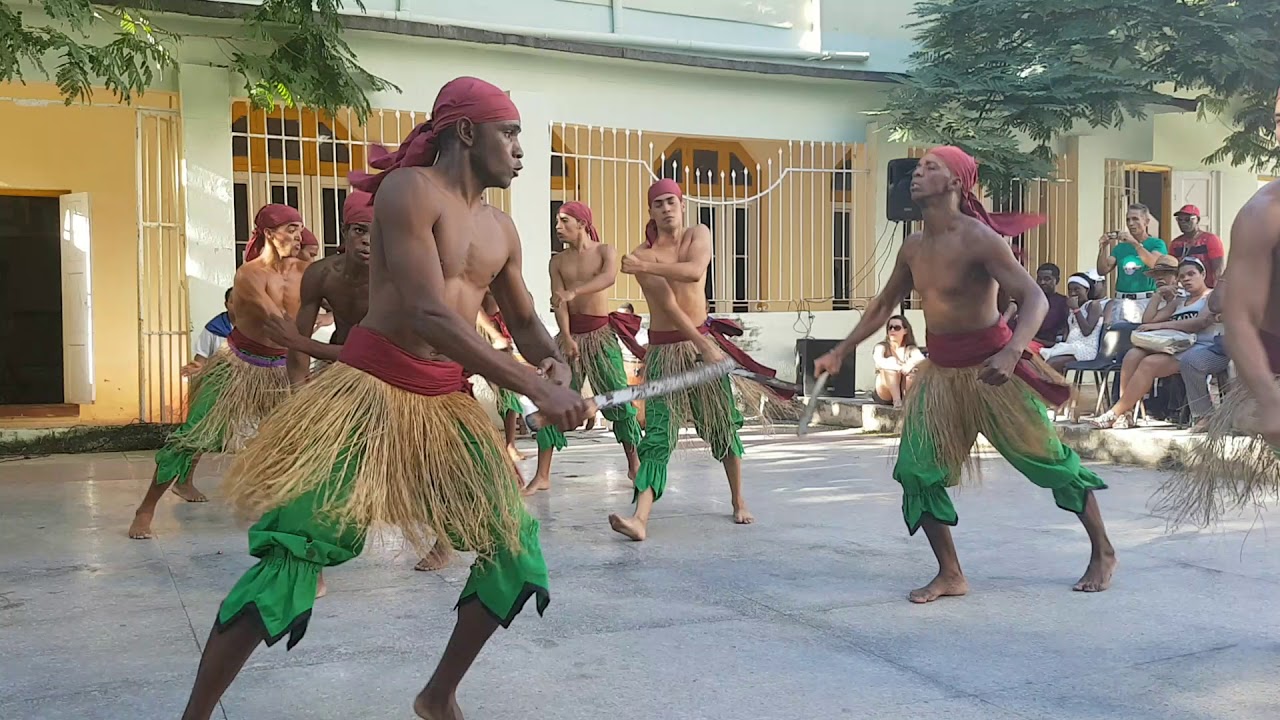
Photos: Training sessions at AfroKuba Tanz Verein Sabor a Eshu Bi Zurich
Level: Open to all levels. No prior experience required.
Attire: Comfortable clothing and shoes with flexible soles.
Registration: info@afrokuba-tanz-verein-saboraeshubi.ch
Come and connect with the strength of Oggun through movement!
Limited places • Reserve your place
Dance Fitness Classes with Daniela Fiore
Days:
Time:
Location:
Specialities: Dance fitness, Basic Cuban Salsa and Basic Rueda de Casino
📱 Register via WhatsApp